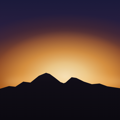
Import a photo and name the look.
Pick a photograph from your library. Next Light reads when and where it was taken from the file itself, then asks the one thing it can't compute: what you were after.

Import a photograph you love. Next Light reads the light that made it, watches the forecast, and tells you when that light is coming back.
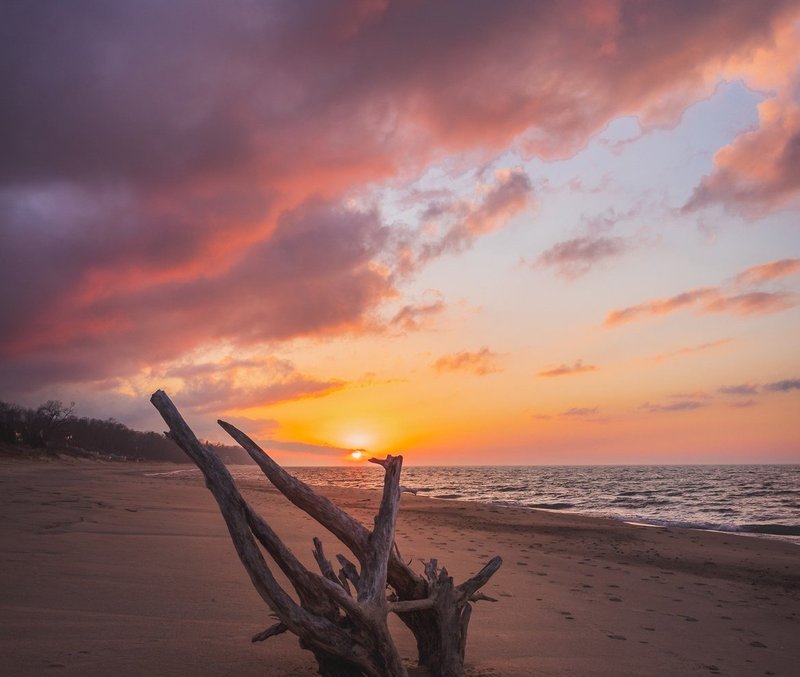
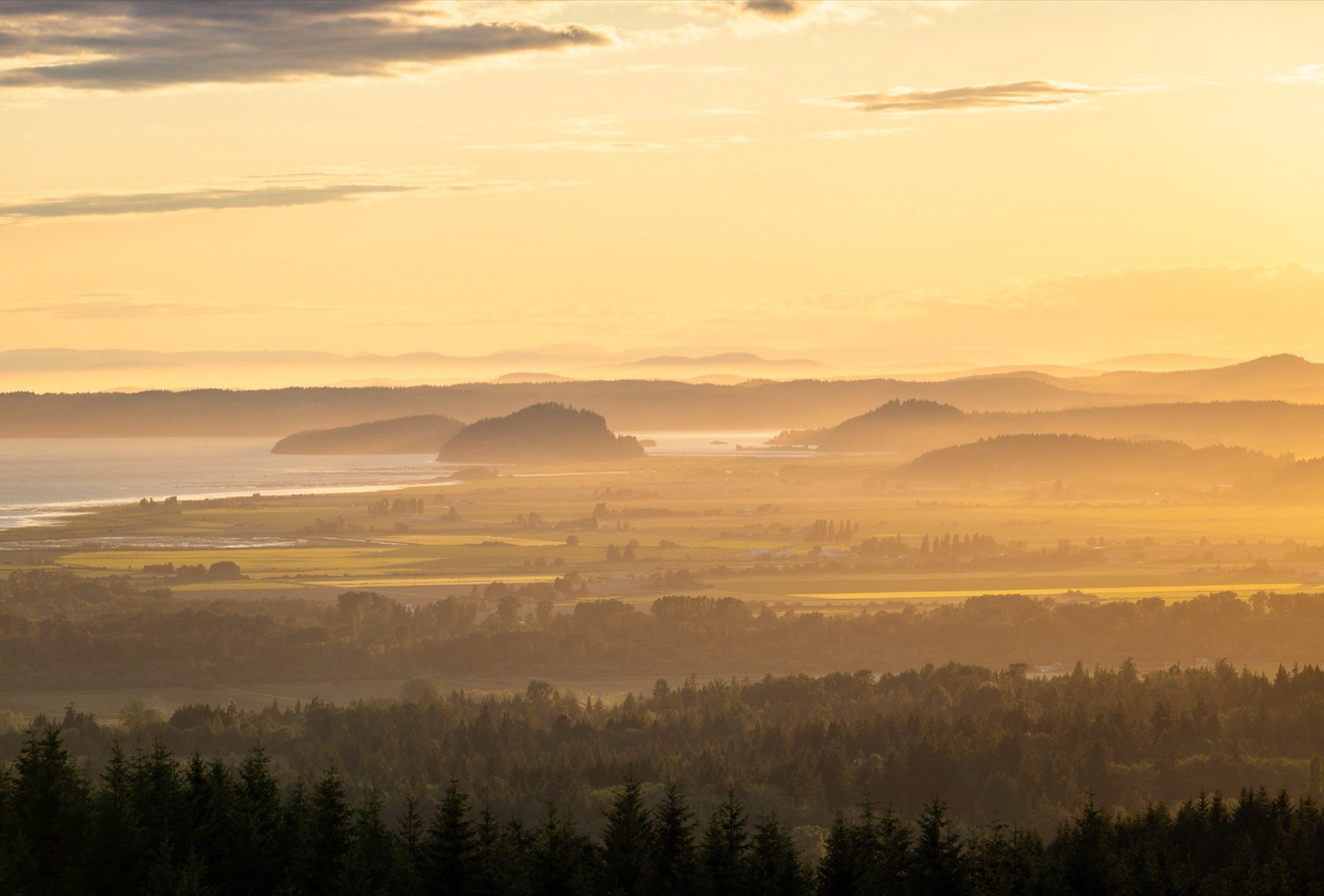
July 11, 9:20 PM, 13 min after sunset. The photograph that made the fingerprint, and the alert it sent back.
The alert
The watch scores every upcoming window as new forecasts arrive. The first note comes early and hedged. The last one comes the day of, when the models agree.
A heads-up, not a plan. High cloud is showing in the long-range runs and the corridor to the sun is open.
The models have converged. Air clarity now reads clean, and the low deck that was a risk has moved off.
Time to decide. The window opens at 8:00 PM. The drive is forty minutes.
The first two alerts are illustrative. The third is the real one.
How close the forecast sky is to the one in your photograph. Alerts only fire above your bar, which starts at 90.
How much to trust that number today. It depends on how far out the window is and how well the models agree.
How it works
Pick a photograph from your library. Next Light reads when and where it was taken from the file itself, then asks the one thing it can't compute: what you were after.
From that minute and place, the sky at capture is rebuilt: where the sun sat, cloud in three layers, how clear the air was, how bright the moon. That record is the fingerprint the forecast gets measured against.
Every upcoming dawn and dusk is scored against the fingerprint as forecasts refresh. Most evenings never clear the bar. You hear nothing until one does.
An alert is a page, not a number. It shows what matched, what didn't, what could still change, and when the light is best inside the window.
Not a weather app
A weather app, that evening
All of it true. None of it tells you the sky is about to go pink.
Next Light, that evening
Reasons you can check against the sky. Risks you can weigh against the drive.
What it watches for
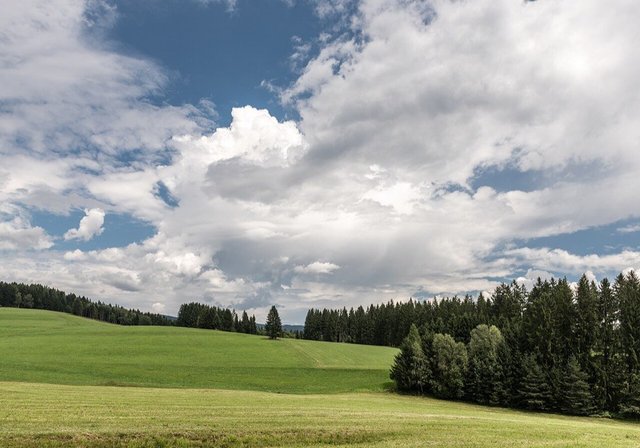
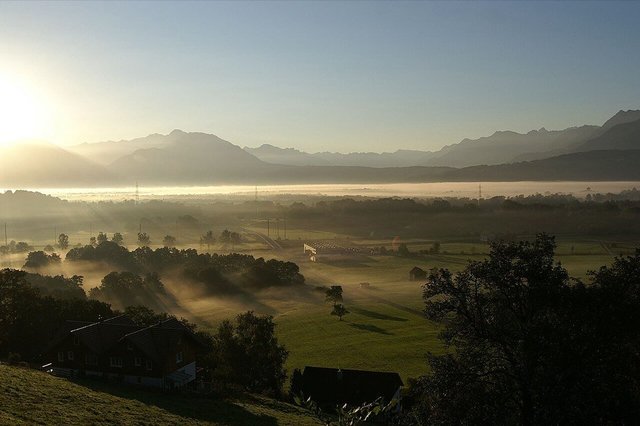
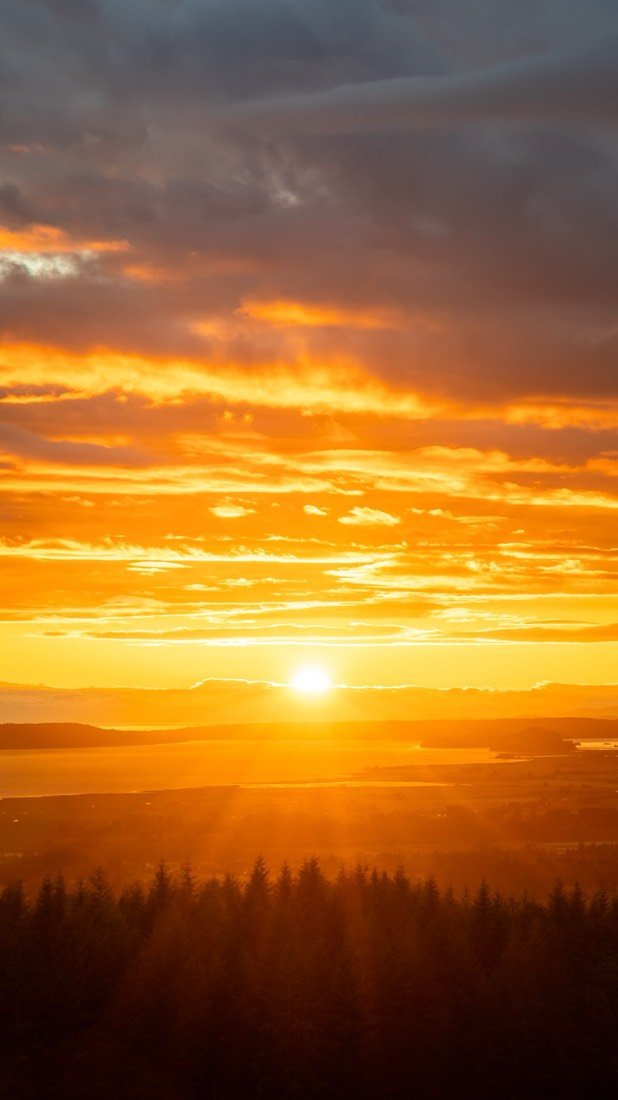
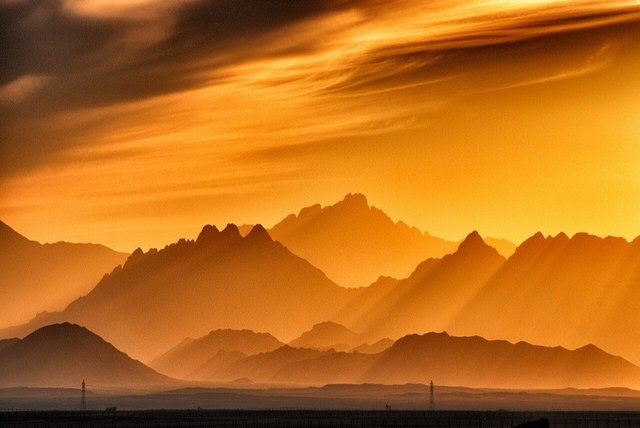
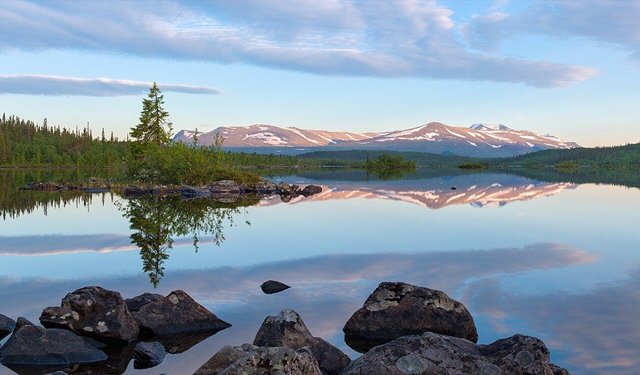
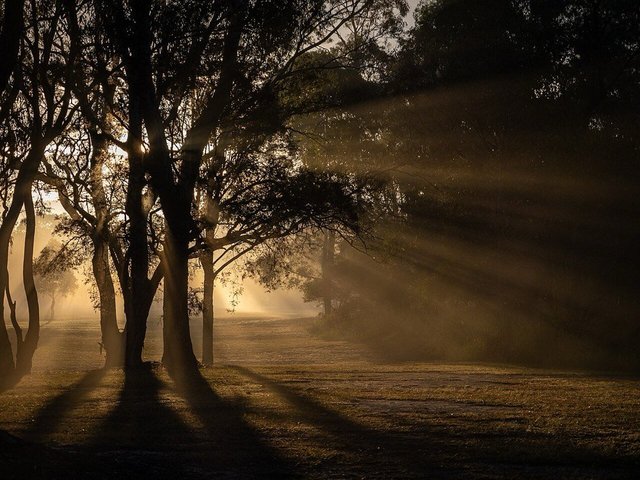
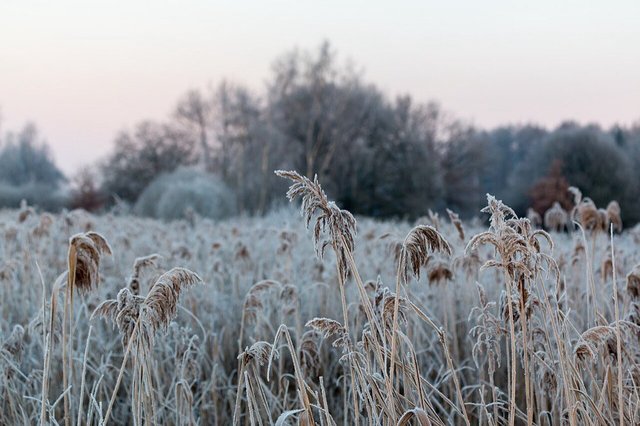
Each one is a different question asked of the same forecast. Fog wants a cold, still valley and a clear sky above. Color wants high cloud and an open corridor to the sun.


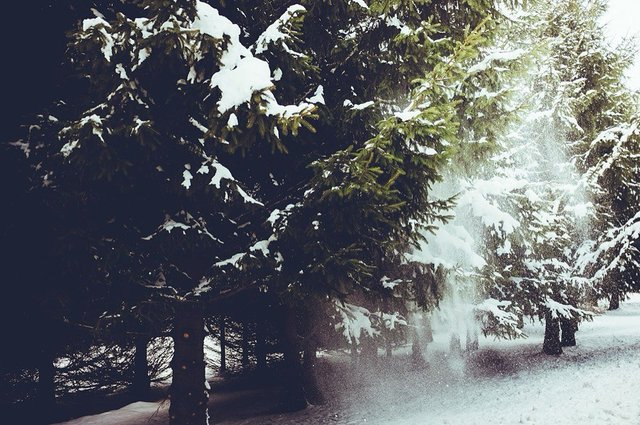
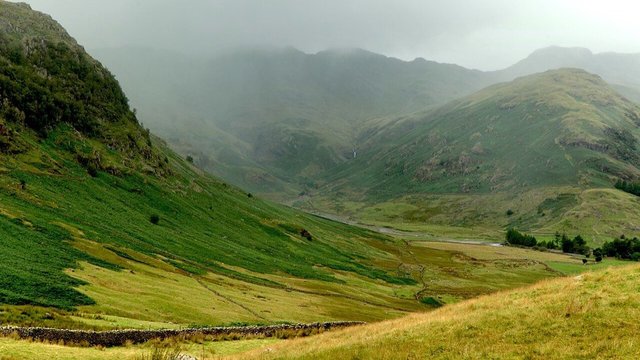
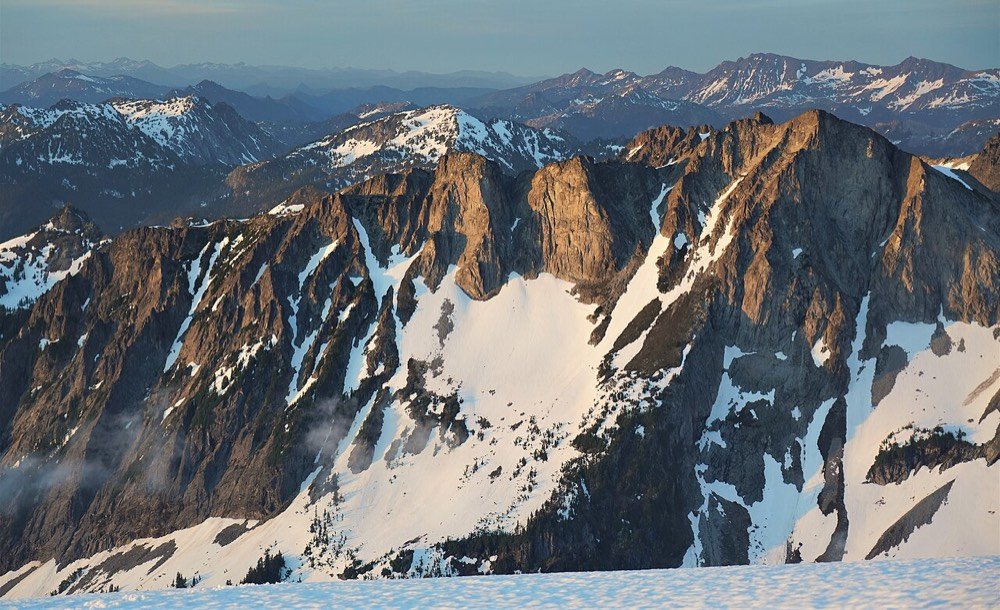
Condition and section photographs: Wikimedia Commons — Lienz SG8.JPG (CC BY-SA 2.5), Alpenglow on Dip Top Peak.jpg (CC BY 2.0), Sunset in the mountains (Unsplash).jpg (CC0), Crepuscular rays through mist in open forest 7th Brigade Park Chermside P1060207.jpg (CC BY-SA 4.0), Stuor Dáhtá lake along the Kungsleden trail during golden hour … (DSCF2557).jpg (CC BY 4.0), Strassburg Sankt Peter ob Gurk Landschaft mit Wiesen und Wäldern 19072017 0247.jpg (CC BY-SA 4.0), Snowfall - Flickr - basheertome.jpg (CC BY 2.0), Dülmen, Kirchspiel, Feld am Strandbadweg -- 2016 -- 5654.jpg (CC BY-SA 4.0), Beneath the Mist ( Explored ) - Flickr - Oneterry AKA Terry Kearney.jpg (CC0)
Sun geometry to the minute. Cloud in three layers. The corridor toward the sunset point. Air clarity, moon, wind. All of it reconstructed for the minute your photograph was taken.
No computer vision. Nothing here guesses from your pixels. No model learning quietly in the background. When it changes its mind, it says so, and it says why.
An early alarm, a drive in the dark, and a cold hour standing in a field. The alert gets you to the right evening. The photograph is still yours to make.

From the founder
Every photographer has conditions at certain locations they'd give a lot to stand in front of again. Missing those opportunities hurts. That's why I built Next Light. Next Light watches for that light and tells me when it's coming back, so I can make sure I'm there.
Jeremy Vohwinkle · photographer, creator of Next Light
A small group, spread across the country, shooting different light. Early testers get the first year free and a permanent founders mark.
On an iPhone and signing in with Apple? Apply with the email on your Apple ID, and choose Share My Email when Apple asks. On Android, apply with the email you will sign in with. Either way your photos stay in one account.
US beta while the forecast coverage is being proven. iPhone via TestFlight, Android via Google Play.